 / Daily News…
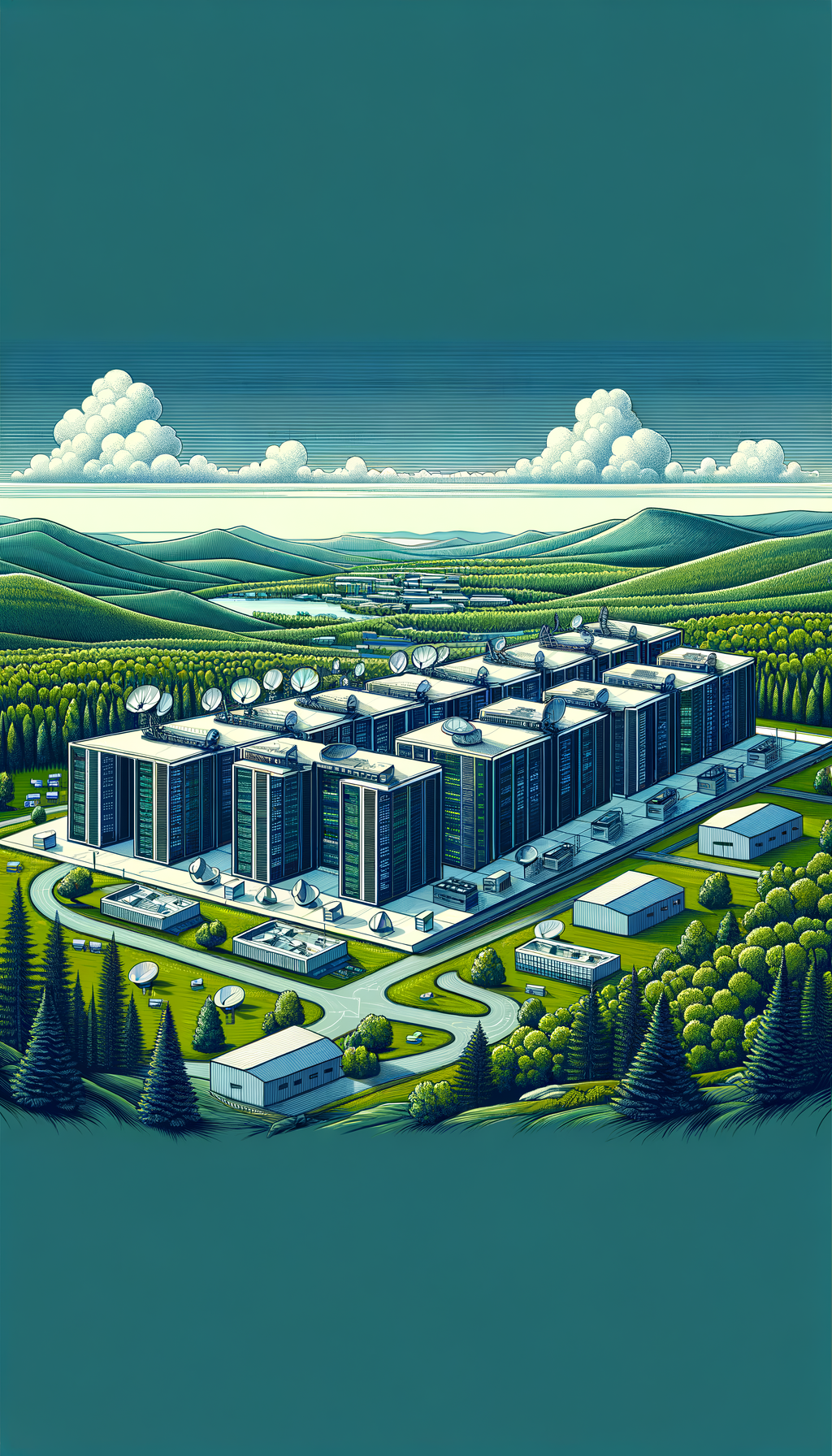
Datacenters are often seen as modern technological hubs, but for many communities, they’re becoming increasingly unwelcome neighbors. Known for their relentless power and water demands, these facilities have sparked a wave of local opposition due to their perceived environmental and community impact.
In a groundbreaking move, Maine legislators have imposed a temporary ban on new datacenter developments exceeding 20 megawatts, a decision aimed at giving officials time to better assess their environmental and economic implications. This moratorium, which still awaits the governor’s signature, highlights the rising concerns over how these centers affect local utilities and residents.
As AI-driven technologies continue to expand, the demand for datacenter infrastructure grows exponentially. This has prompted other states and local governments to enact similar bans. The move reflects a growing trend of resistance as citizens demand more transparency and control over these large-scale installations.
The pushback isn’t limited to Maine. In the tech-driven landscape of California, the city of Oakley recently introduced a 45-day halt on new datacenter projects, indicating growing wariness around the industry’s footprint. Meanwhile, in Wisconsin, communities are asserting their rights by requiring voter approval for significant development deals.
Across the US, and indeed around the globe, people are increasingly voicing their concerns. Some tech giants have started to heed these warnings, revising development strategies to better align with community expectations. Notably, Microsoft recently shelved plans for a datacenter in Wisconsin due to public dissent.
As the conversation continues to unfold, the challenge remains for technology companies to innovate responsibly, ensuring that their growth doesn’t come at the cost of community welfare and environmental stability.