 / Daily News…
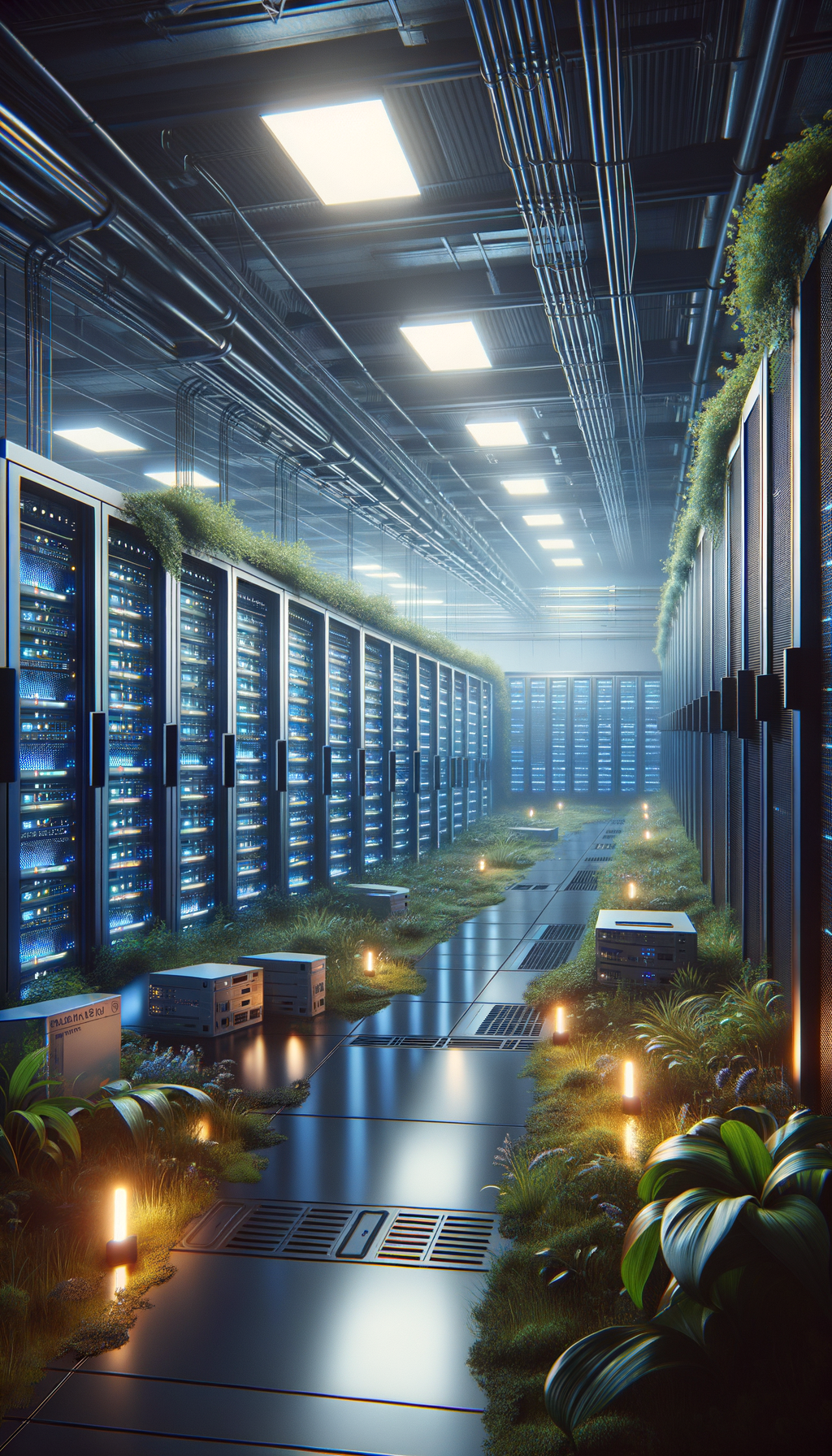
Data center construction in top US markets has witnessed a decline in the latter part of 2025. Increasing community resistance has caused disruptions in planning approvals, as highlighted by CBRE, a leader in commercial real estate services.
CBRE’s North America Data Center Trends H2 2025 report indicates this is the first contraction in the primary-market pipeline since 2020. The pipeline reduced from 6,350 MW at the end of 2024 to 5,994 MW by the close of 2025, amidst rising demand for computing power fueled by AI developments.
Despite the surge in demand, vacancy rates in key markets hit a historic low of 1.4 percent. CBRE reports a 36 percent year-on-year increase in supply, reaching 9,432 MW.
Average monthly rental rates for facilities requiring 250 to 500 kW increased by 6.5 percent, marking the fourth consecutive year of rising costs, reaching $195.94 per kW/month.
The limited availability of powered land and capacity constraints in significant markets have driven rent increases beyond inflation rates, a trend CBRE expects to persist over the next two to five years.
Community engagement is becoming crucial for securing permitting and zoning approvals. Areas like Loudoun County, Virginia, dense with server farms, are experiencing project delays due to public opposition affecting development timelines.
Developers are increasingly combating local opposition, as seen in the discussions at the recent Datacloud Global Congress. Communities are wary of data centers’ potential impact on energy prices, water resources, and environmental noise and pollution.
In the US, data center projects face prolonged delays and cancellations amidst growing local dissent. Required zoning may soon include mandates for green spaces to mitigate visual and noise pollution.
Authorities may impose stricter regulations to protect resident quality of life. Over 36 US states offer incentives such as tax exemptions for datacenter projects, but community groups argue these deals are not financially beneficial.
CBRE also identifies trends like on-site power generation becoming a norm in large-scale planning and a shift towards regional facilities driven by AI workload demands. This evolution is fostering growth in previously overlooked secondary markets.
Vacancy rates are expected to remain low as supply struggles to meet demand. CBRE doesn’t foresee a significant rise in construction projects this year due to ongoing permitting and power procurement issues.