 / Daily News…
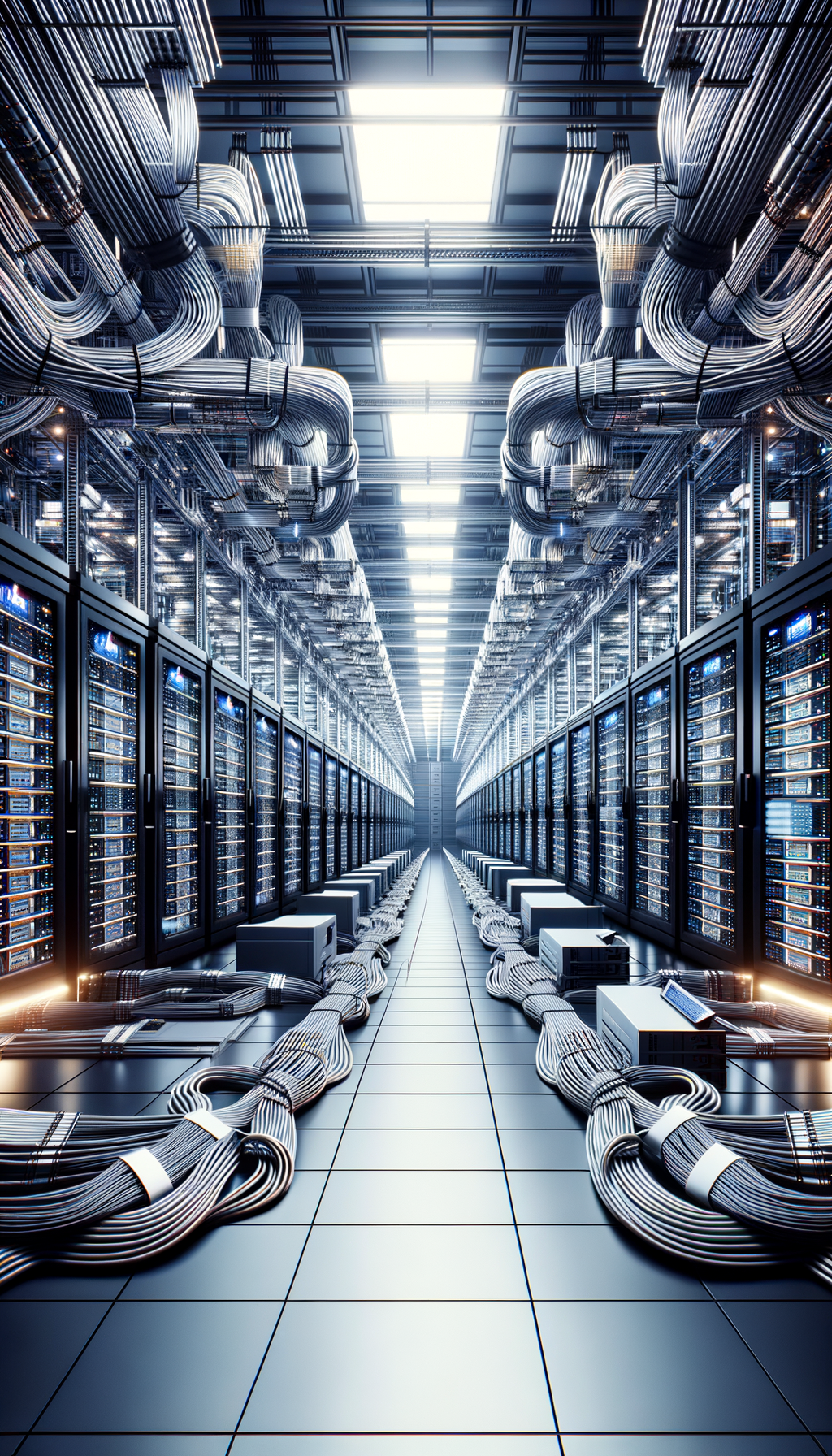
A new report from the Uptime Institute highlights a troubling trend in datacenter operations: excessive power reservation which limits grid access for other consumers. While datacenter energy use remains steady, operators preemptively reserve additional capacity for future expansions, causing unnecessary grid allocation.
The disparity arises from the way energy grids operate, with first-come, first-served capacity allocations that often cater to speculative and unrealized projects. As industries pivot toward electrification, this practice becomes increasingly problematic.
Unique challenges faced by AI-centric datacenters include unpredictable power demands. The UK’s new regulatory measures, such as the ‘AI Growth Zones’ initiative, aim to streamline grid connection processes by removing stalled speculative applications. Similarly, the US has imposed caps on speculative grid requests, requiring deposit penalties to deter unfulfilled projects. Flexibility in connection agreements that include demand control clauses is encouraged to facilitate quicker access.
The Uptime Institute points out that strategic collaboration with grid operators and optimizing reserved power for datacenters can help alleviate stress. It’s crucial for datacenters to engage in such proactive measures to ensure the efficient use of their reserved grid capacity.